








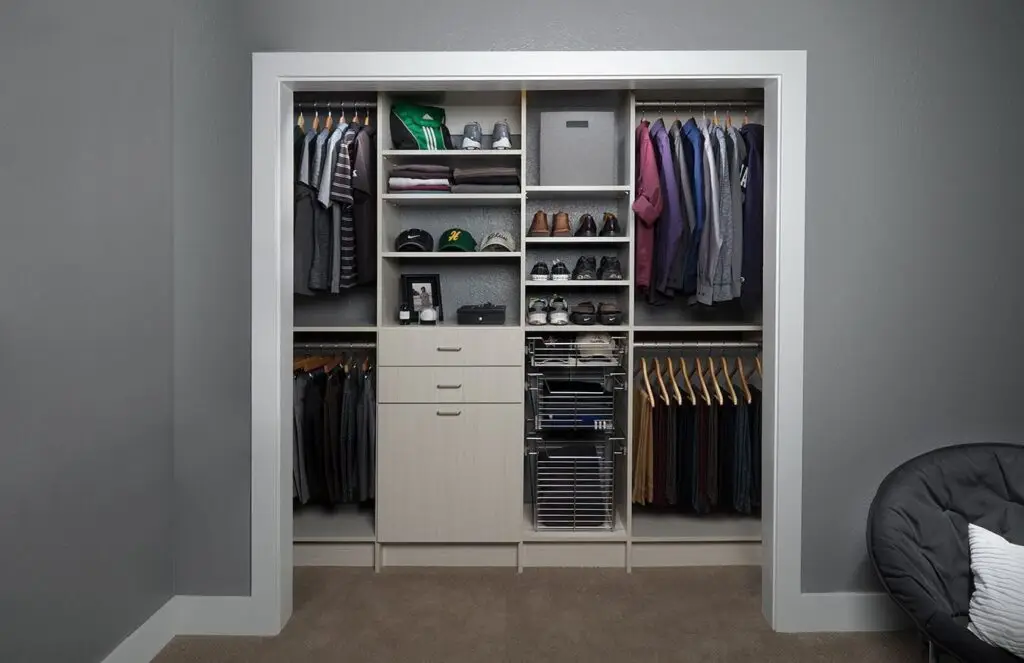
Builder-grade wire shelving fails because it’s usually held to drywall with plastic anchors instead of being screwed into studs. Over time the weight of clothes pulls the anchors out and the shelf sags or falls. You can re-anchor it into studs as a short-term fix, but replacing it with a closet system mounted on a wall rail solves the problem and roughly doubles the storage.
If you live in a newer home in Orange, Osceola or Seminole County, there’s a good chance your closets came with white wire shelving: one shelf, one rod, end to end. It’s the cheapest way for a builder to finish a closet. A few years in, we see the same problems in home after home: shelves tilting forward, clips popping out of the wall, and in the worst cases the whole run on the floor with the clothes still on it.
As closet designers, we remove builder wire from closets every week. Here’s why it fails, what you can do about it today and when it’s worth replacing.
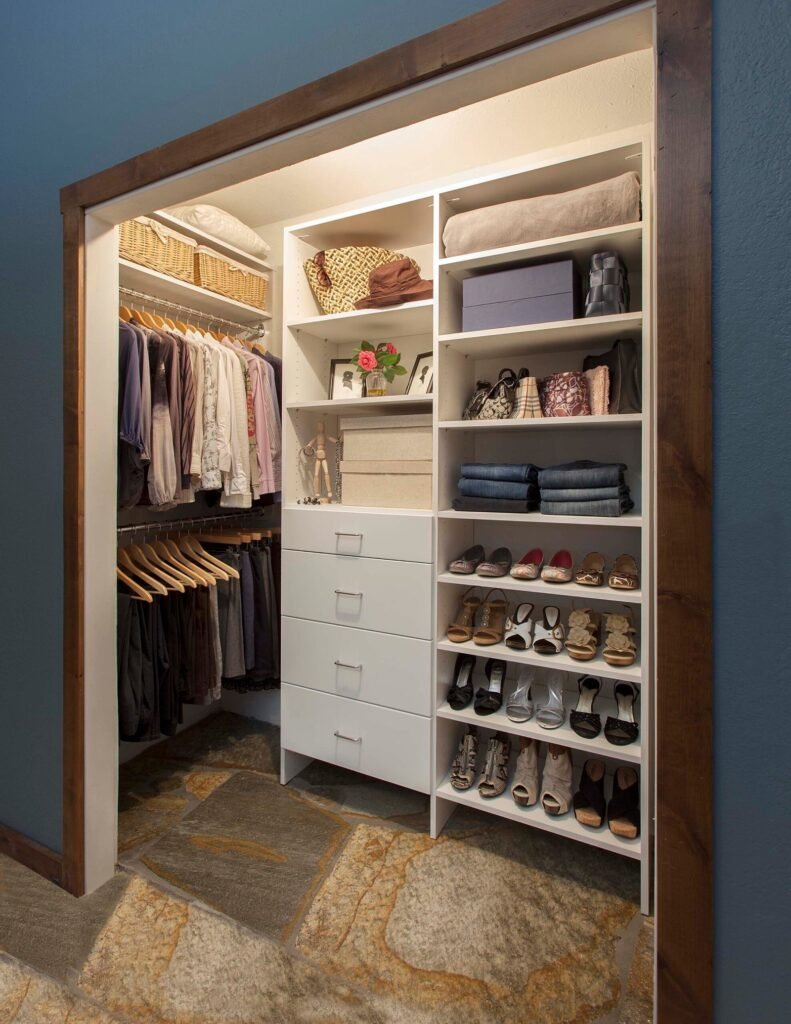
Why wire closet shelving pulls out of the wall
- Drywall anchors, not studs. Most builder installations hang the back clips on plastic anchors in drywall. Drywall is gypsum; it crushes under constant load.
- Leverage. Clothes hang from the front lip of the shelf, which pries the back clips away from the wall every day.
- Long spans. A single shelf running 8 or 10 feet with few brackets bends in the middle and loads the anchors unevenly.
- Weight creep. Closets get fuller over the years. A shelf that held a few shirts on move-in day holds jeans, bags and bins five years later.
Signs your shelving is about to fail
- The shelf tilts down at the front.
- Gaps or cracks around the wall clips.
- Clips that wiggle or have pulled partly out.
- A rod that sags in the middle.
- Drywall dust on the closet floor.
Short-term fixes that actually hold
- Find the studs with a stud finder and add support brackets screwed into them every 32 inches or less.
- Replace plastic anchors with metal toggle bolts where there’s no stud.
- Add a center support on long spans.
- Lighten the load: move heavy bags and bins off the top shelf.
These buy time. They don’t fix the other problems with wire: ridges on knits, folded clothes slipping through, and all the empty wall above and below the single rod.
Before you patch the anchor holes yourself, wait for the closet design. A new system often covers most of the wall, and the installer can patch only what will still show.
Wire shelving vs a custom closet system
| Builder wire shelving | Custom closet system | |
|---|---|---|
| Mounting | Clips on drywall anchors | Panels hung on a steel rail anchored into studs |
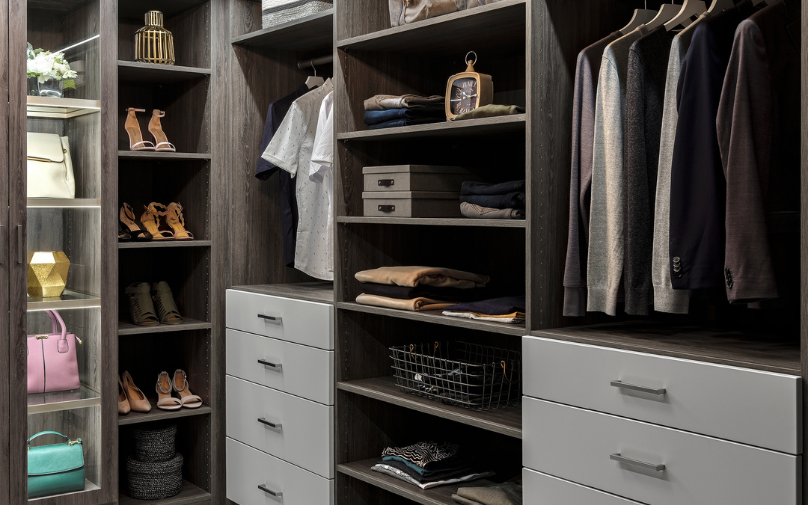
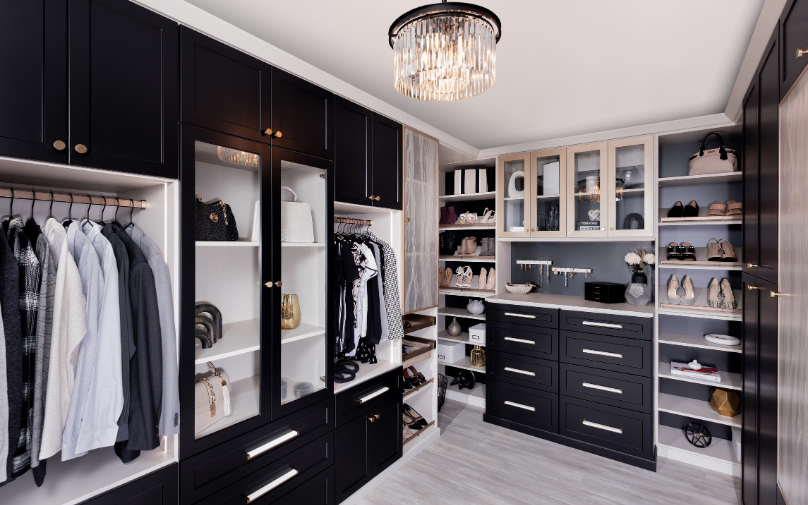
| Layout | One shelf, one rod | Double hang, long hang, shelves, drawers, shoes |
| Storage | Uses about half the wall | Floor to ceiling, often double the capacity |
| Clothes | Marks knits; small items slip through | Solid shelves |
| Cost | Low | Reach-ins from about $1,500 in Orlando |
What replacing it involves
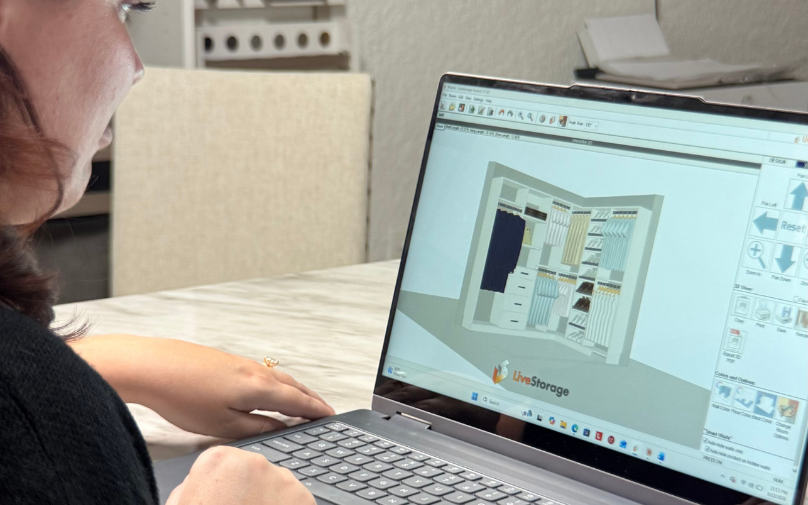
A replacement starts with a measurement and a 3D design, so you see the layout and an exact price before anything is built. On installation day the old wire comes out and the new system goes in; most closets are finished in a day. From signed order to installation, plan on about 4 to 5 weeks while the system is made. When you compare quotes, ask whether removing the old shelving and patching the anchor holes is included, and what’s standard versus an upgrade.
We’re an authorized ODI dealer, and ODI closet cabinetry carries a lifetime limited warranty. See typical prices in our custom closet cost guide, or start with layout ideas in the reach-in closet guide.
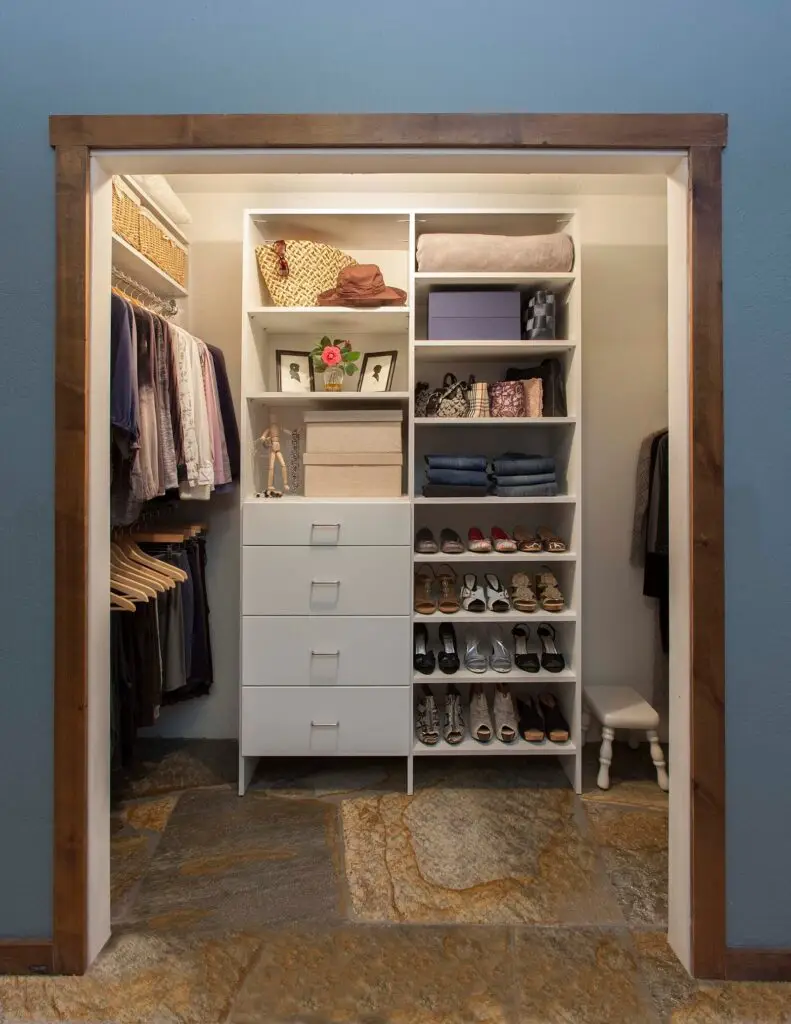
We design and install custom closets across Orange, Seminole, Osceola and Lake counties. Free in-home design and 3D plan.
Frequently asked questions
Why does wire closet shelving fall?
It’s usually hung on plastic drywall anchors instead of studs. The weight of clothes slowly pulls the anchors out.
Can I fix sagging wire closet shelves?
Yes, short term: add brackets screwed into studs and replace plastic anchors with metal toggle bolts.
How much does it cost to replace wire closet shelving?
Replacing it with a custom reach-in system starts around $1,500 in Orlando, depending on size and drawers.
How long does it take?
About 4 to 5 weeks from order to installation, and the installation itself usually takes one day.
Free in-home design and a 3D plan with an exact price, before anything is built.


