




We measure your space, design it in 3D while you watch, and install it with our own crew. No subcontractors, no surprises.
Boutique layouts with islands, seating, and display lighting.
Freestanding storage for rooms with no built-in closet.
Pull-out shelving that puts every jar within reach.
Double the usable space in a standard hallway closet.
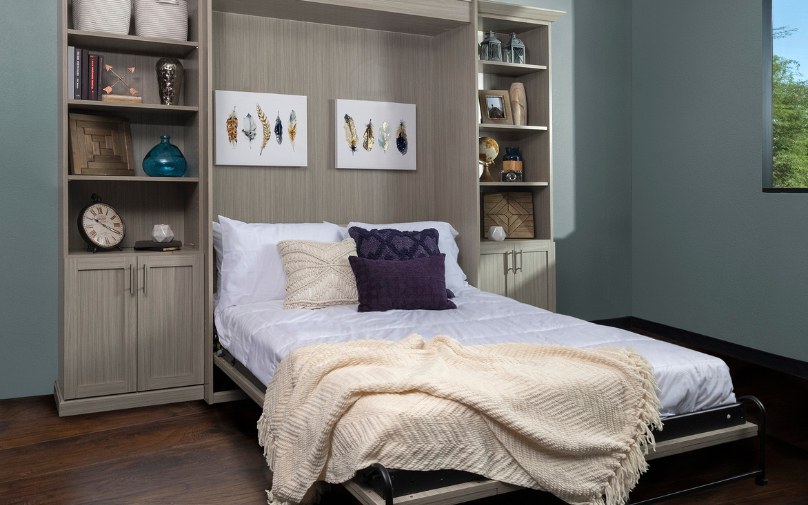
A guest room and an office in the same square footage.
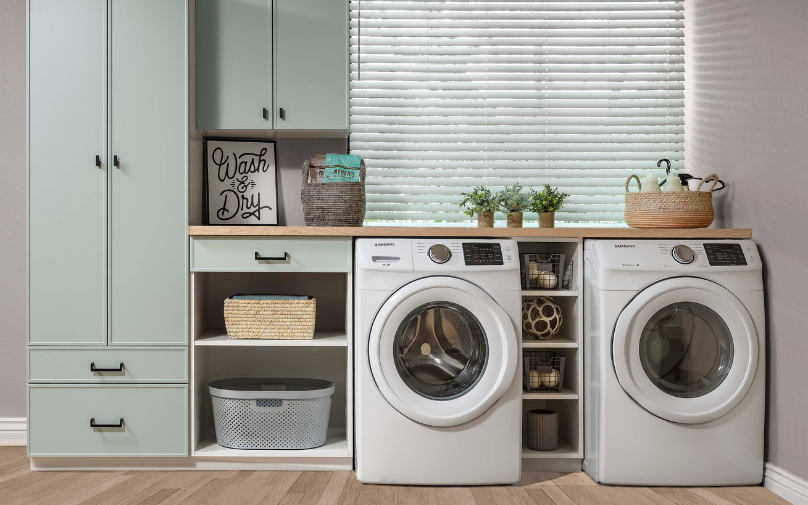
Counters, hampers, and cabinets that hide the machines.
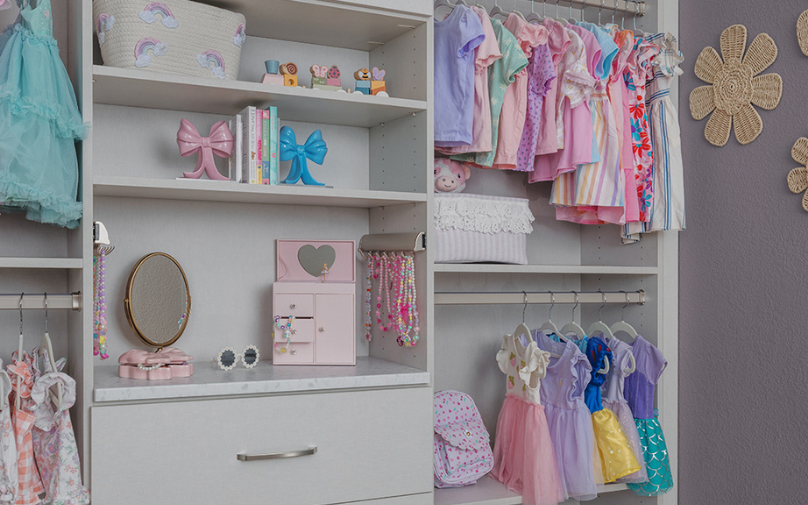
Low rods and open bins that grow with them.
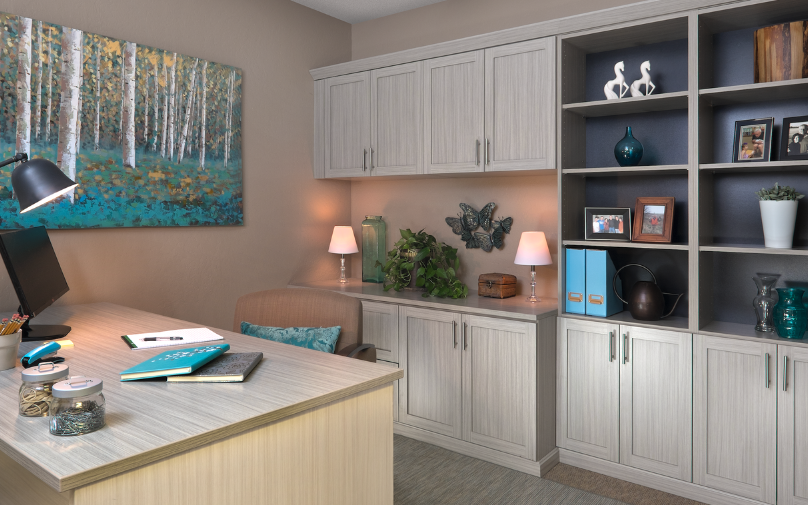
Desks, shelving, and file storage that fit the room.
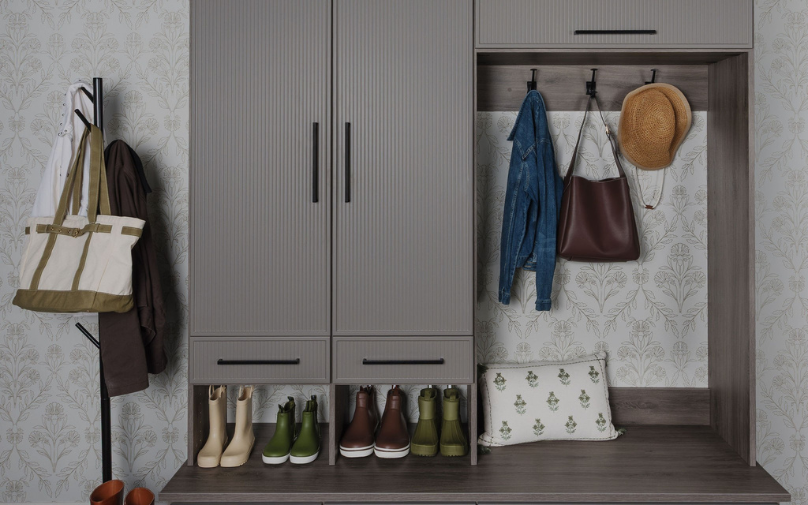
Benches, hooks, and cubbies that stop the pile at the door.
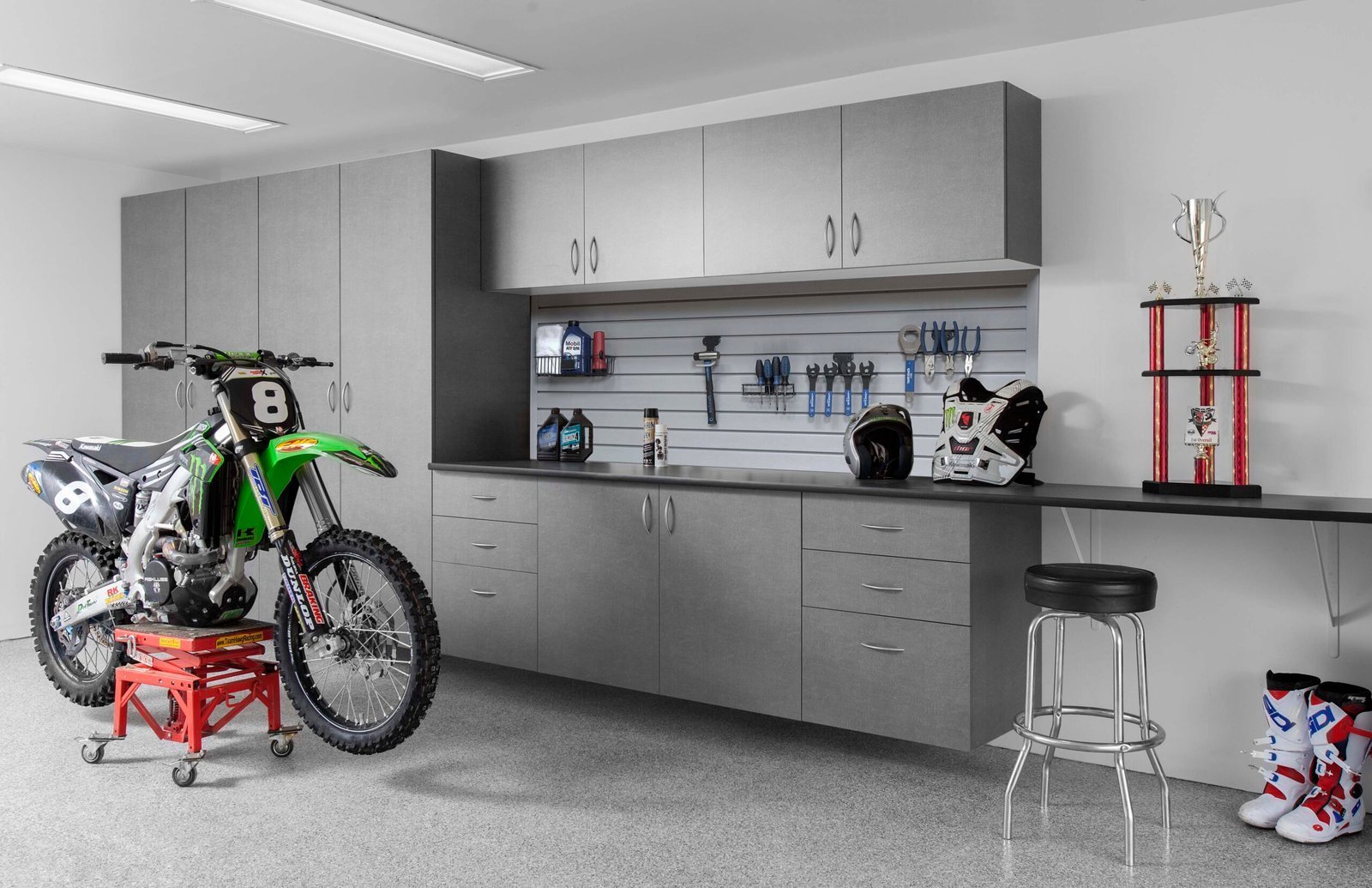
Get everything off the floor and behind closed doors.
Built to your measurements, one room or the whole house.
Not sure where to start? We measure and design your space for free, with no obligation.
Who we are and why homeowners across Central Florida keep calling us back.
Call, text, or send us your floor plan. We answer the same day.
Orange, Seminole, Lake, and Osceola counties, plus everything in between.
Consultation, 3D design, build, install. You never lift a finger.
Storage ideas, before-and-afters, and answers to what people ask us most.
Serving Orange, Seminole, Lake, and Osceola counties.
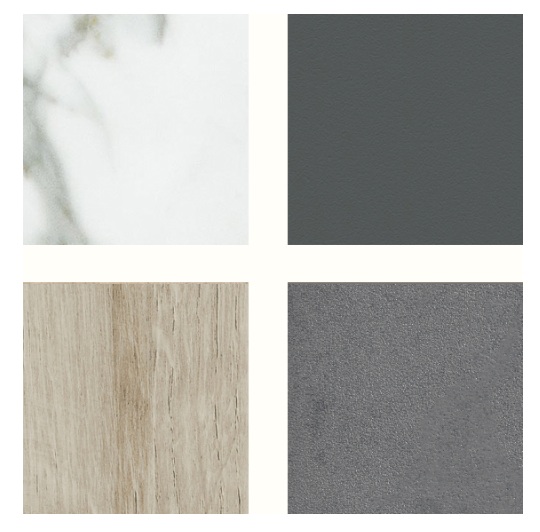
Whites, greys, and deep tones with a matte finish.
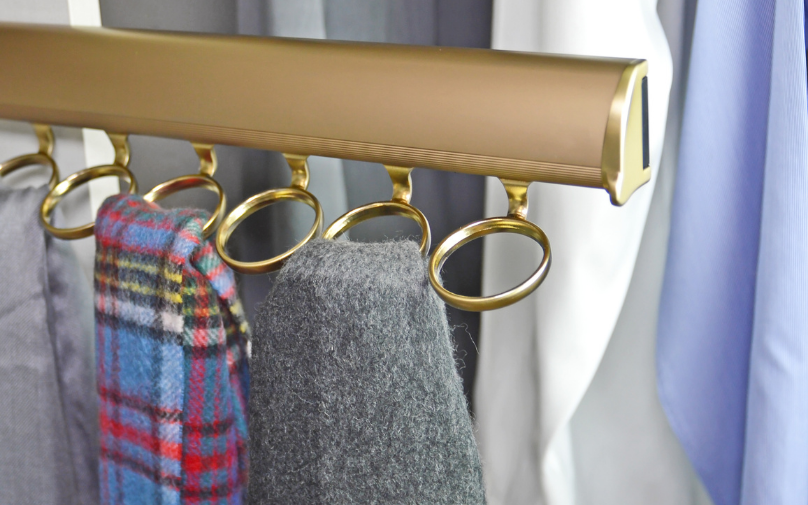
Valet rods, jewelry trays, belt racks, and pull-out hampers.
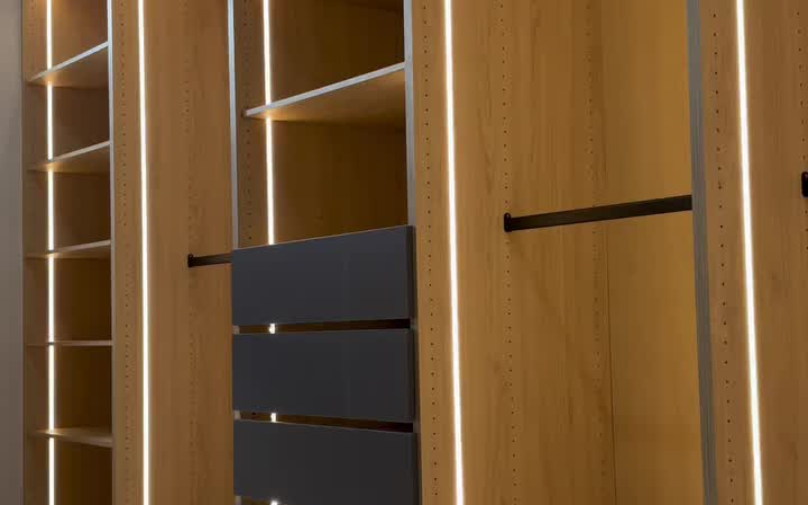
Shelf and rod lighting that turns on when the door opens.
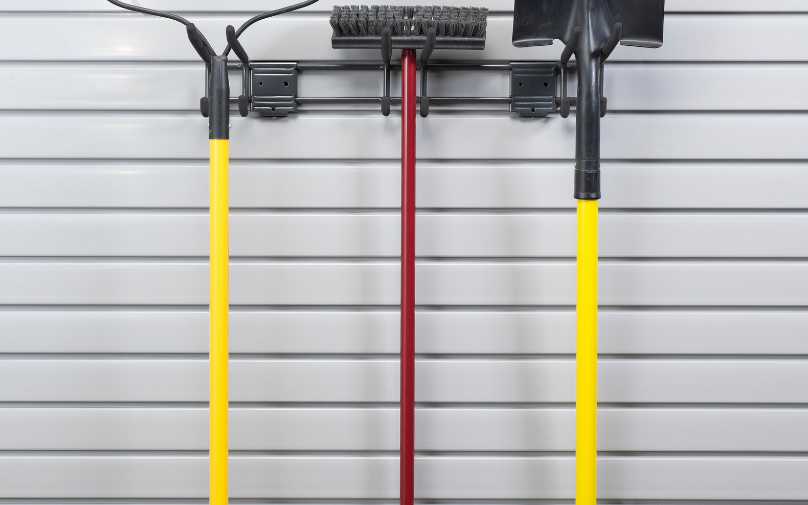
Durable surfaces built for heat, humidity, and heavy use.
Every finish, in your home. We bring the physical samples to your consultation.
Free in-home design · Lifetime warranty
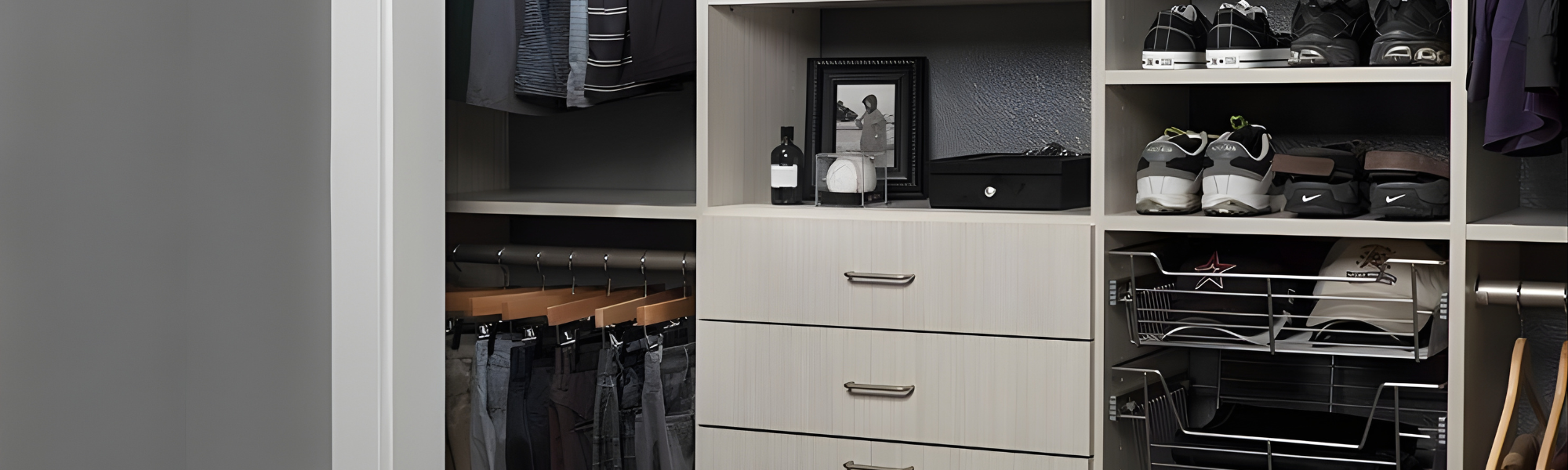
A good closet should not feel like a daily battle. It should make getting dressed easier, help you see what you own, and give every item a place that makes sense. That is where closet organizer systems come in.
I learned this the hard way. When I was younger, I used to leave clothes literally all over the floor. Every once in a while, I would get motivated, clean everything up, and feel like I had finally fixed the problem. But the truth was, the order never lasted more than a day. At one point, my “solution” was to throw everything into the laundry basket just so I did not have to see the mess. The room looked cleaner, but the closet itself was still not working.
Over time, I realized something simple: the problem was not only discipline. The problem was the system. For me, hanging clothes was easier than folding them. They stayed visible, they did not wrinkle as much, and the closet looked organized without requiring a full reset every day.
Later, working around closets as a seller and installer, I started seeing the same issue in other homes. A lot of people had enough space, but the space was poorly used. Some closets had only basic wire shelves. Others had too much hanging space and no drawers. Some had drawers but no practical place for everyday clothes. The best closet organizer systems are not just about making a closet look pretty. They are about creating a layout that matches your space, your wardrobe, and your real habits.
That is what this guide is about.
Closet organizer systems are structured storage setups designed to make a closet more functional. Instead of relying on one rod and a shelf, a real closet system uses a combination of hanging rods, shelves, drawers, shoe storage, hampers, hooks, baskets, and accessories to create clear zones for different types of items.
The key word is system.
A closet with a few shelves is not always a closet organizer system. A closet organizer system gives each category of clothing or accessory a logical place. Shirts go in one area. Pants have their own section. Shoes are not piled on the floor. Folded clothes do not get lost in deep stacks. Accessories are not scattered in random corners.
Storage simply gives you somewhere to put things. A real closet system helps you keep things organized over time.
This difference matters because many closets technically have storage but still do not work well. I have seen closets with basic wire shelving that looked useful at first, but once the person added real life into the space — laundry, work clothes, shoes, bags, seasonal pieces — everything became crowded again.
A good closet organizer system should answer questions like:
The best closet systems reduce friction. They make the right behavior easier.
A functional system usually includes a mix of:
The right mix depends on your wardrobe. Someone with mostly business shirts and jackets needs a different setup from someone with a lot of sweaters, gym clothes, or shoes.
One of the biggest mistakes people make is thinking they need more storage pieces when what they actually need is a better layout.
More shelves can help, but only if they solve a specific problem. If you hate folding clothes, adding more shelves for folded clothes may not fix anything. If most of your clothes are hangable, adding double rods may be more useful. If shoes are always on the floor, shoe storage should be part of the plan from the beginning.
A closet organizer system should match your behavior before it matches a catalog photo.
Closet organizer systems are worth it because they make your closet easier to use every day. A good system does not just create more space; it creates better access, better visibility, and better habits.
When your closet is poorly organized, getting dressed takes longer. You forget what you own. Clothes wrinkle because they are squeezed into piles. Shoes disappear under other shoes. Clean clothes end up mixed with worn clothes. Eventually, the closet becomes a place where things get hidden instead of organized.
That is exactly what used to happen to me. I could clean my room, but I did not have a setup that made it easy to keep clothes where they belonged. Once I realized that hanging clothes worked better for me, organization became much easier. I did not have to think so much. I could see the shirt, wear it, wash it, and hang it back up.
Visibility is one of the biggest benefits of a closet organizer system.
When clothes are visible, you use more of what you own. You stop wearing the same five items just because they are the only ones you can find. You also avoid buying duplicates because you can actually see what is already in your closet.
Hanging space is especially useful for this. I personally think hanging is underrated because it keeps clothes in front of you. Shirts, jackets, pants, and everyday items are easier to grab and easier to put back.
A better closet layout can help protect your clothes. When clothes are crammed into piles, they wrinkle faster. When shoes are stacked randomly, they get damaged. When shelves are too deep or too high, items disappear into the back.
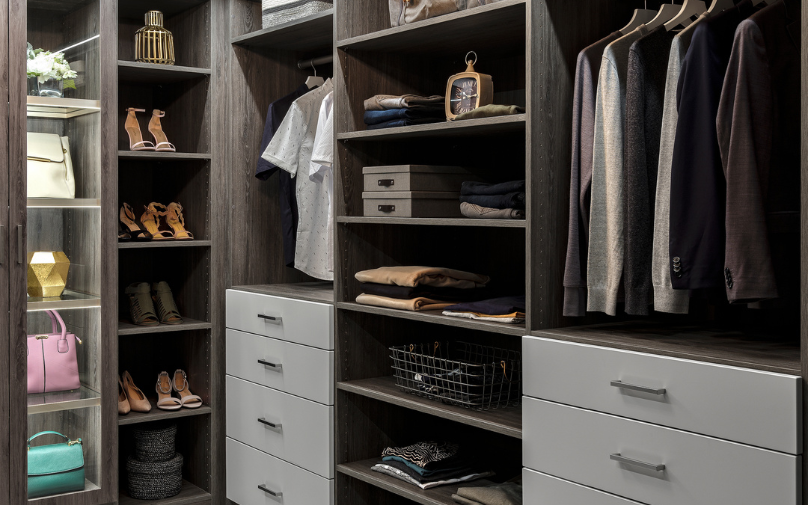
Closet organizer systems solve this by creating zones. You can have one area for short hanging clothes, one for long hanging pieces, one for folded items, one for shoes, and one for accessories.
That kind of structure keeps the closet from becoming one big pile.
The real goal is not to create a perfect closet for one day. The goal is to create a closet that is easy to maintain on a normal busy morning.
That is why I always think about habits first. If a system requires too much effort, it will probably fail. If putting clothes away feels simple, the system has a much better chance of lasting.
The best closet organizer systems make the easiest habit the default.
Wire closet systems are common, affordable, and practical for basic storage. They are often used in builder-grade closets because they are simple and cost-effective.
Wire shelving can work well for laundry rooms, rental properties, kids’ closets, or closets where budget matters most. It allows airflow, is relatively easy to install, and can hold everyday items.
The downside is that wire systems can feel limited. They do not always offer the most polished look, and small items may not sit evenly on wire shelves. In homes where people have a lot of clothing, shoes, or accessories, basic wire shelving often does not provide enough structure.
I have seen plenty of closets where the only “system” was wire shelving, and the issue was always the same: the closet had storage, but not enough organization.
Wood closet organizer systems usually look warmer, stronger, and more finished. They may be made from solid wood, engineered wood, laminate, or melamine, depending on the brand and budget.
Wood systems are a good option when you want the closet to feel more like built-in furniture. They work especially well for bedroom closets, walk-in closets, and spaces where appearance matters.
They also tend to support drawers, cabinets, towers, and accessories more naturally than basic wire systems.
Modular closet systems are flexible setups made from pieces that can be combined in different ways. You might start with a tower, add rods on each side, include shelves, and upgrade with drawers later.
This is a great middle-ground option. Modular systems can be more affordable than fully custom closets while still giving you a more intentional layout than basic shelving.
They work well for people who want structure but still need flexibility.
Custom closet systems are designed around your exact closet dimensions, wardrobe, style, and storage needs. These systems usually involve a design consultation, measurements, material choices, accessories, and professional installation.
A custom system is often worth it when you have a difficult space, a large wardrobe, a shared closet, or a walk-in closet that you want to fully optimize.
The biggest benefit is that every inch can be planned with purpose. The downside is cost. Custom closets are usually more expensive than DIY or modular options.
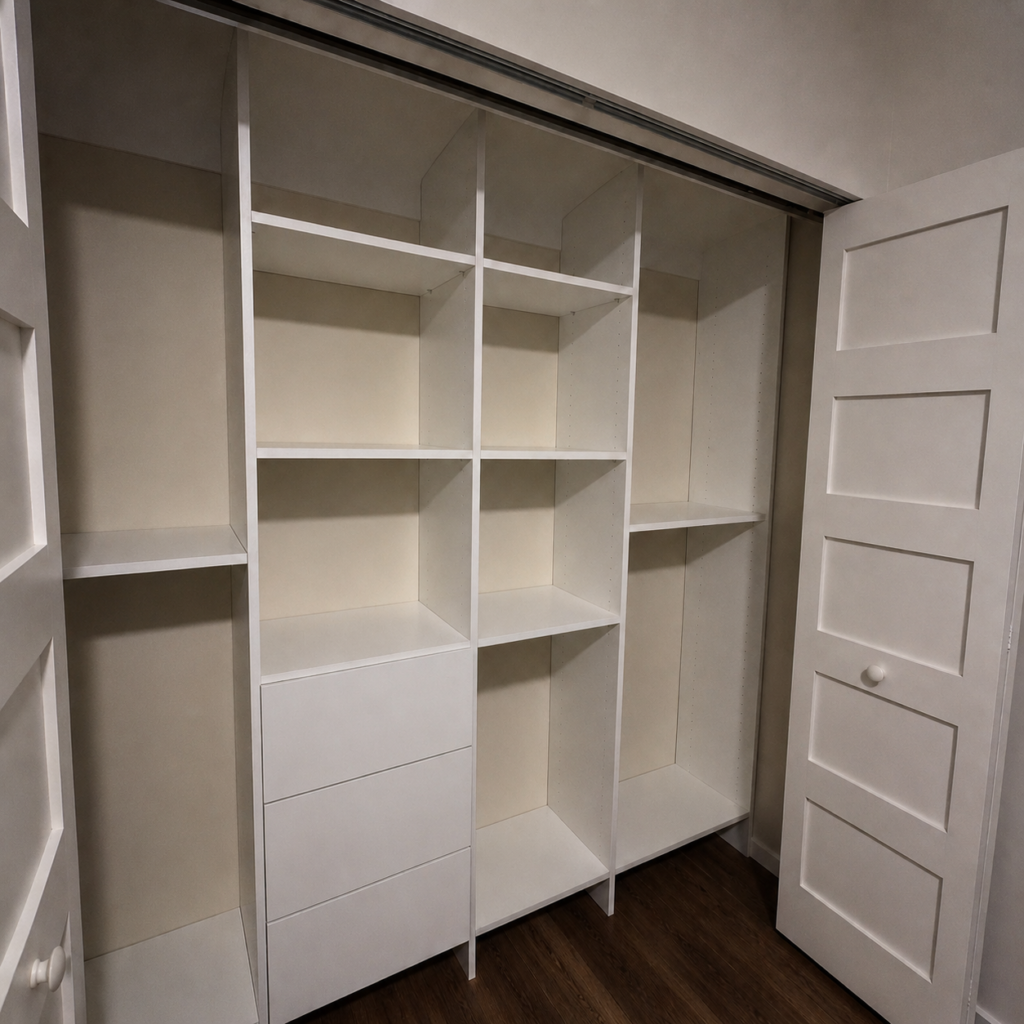
A strong closet organizer system is not built from one feature. It is built from the right combination of features.
This is where many people go wrong. They see a beautiful closet online and try to copy it, but they do not stop to ask whether that setup fits their own wardrobe. A person with twenty pairs of shoes needs a different system from someone with work uniforms. A person who hates folding needs a different system from someone who loves drawers.
Hanging rods are one of the most important parts of a closet system. They are useful for shirts, pants, jackets, dresses, uniforms, coats, and anything you want to keep visible and wrinkle-free.
Double-hang sections are especially powerful. Instead of one rod with empty space underneath, you can use two rods vertically: one upper rod and one lower rod. This can almost double the hanging capacity in the same footprint.
In my own case, hanging clothes became the easiest habit to maintain. I could see what I owned, avoid wrinkles, and make the closet look organized quickly. That is why I usually recommend taking hanging space seriously, especially for people who do not enjoy folding.
Shelves are useful for sweaters, jeans, bags, bins, hats, and seasonal items. Adjustable shelves are even better because they let you change the layout as your needs change.
The key is not to make shelves too deep or too crowded. Deep stacks of clothes often become messy because you have to move items to reach the ones in the back.
Shelves work best when they are used with clear categories.
Drawers are great for items you do not want visible: underwear, socks, workout clothes, pajamas, accessories, or personal items.
They make a closet feel cleaner because not everything is exposed. But drawers are not always the answer for everyone. If you dislike folding, too many drawers can become a problem. You may end up stuffing clothes inside instead of organizing them.
That is why I like drawers as part of a system, not the whole system.
Accessories can make a big difference. Shoe shelves keep shoes off the floor. Hampers give dirty clothes a real destination. Hooks are useful for bags, hats, robes, or items you use often. Valet rods can help you plan outfits or hang clothes temporarily.
These details may seem small, but they often determine whether the closet stays organized.
A hamper, for example, would have helped me years ago when I was throwing clothes into a laundry basket just to hide the mess. The difference is that in a real system, the hamper has a purpose and a place. It is not a random escape route for clutter.
There is no perfect feature that fixes every closet. The magic is in the mix.
A closet with only rods may lack folded storage. A closet with only shelves may become messy. A closet with too many drawers may hide everything. A closet with no accessories may still leave shoes, belts, bags, and laundry floating around.
The right mix of rods, shelves, drawers, and accessories can turn the same closet footprint into a completely different space.
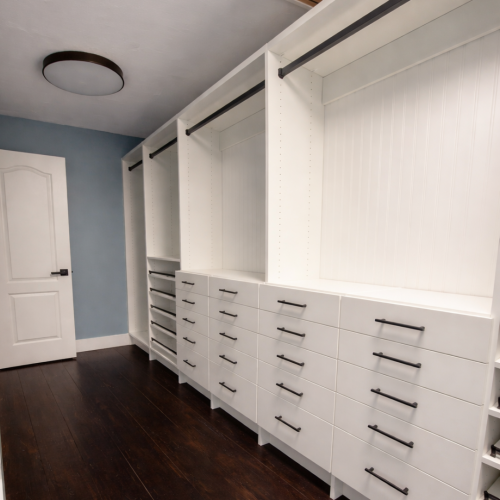
Choosing the best closet organizer system starts with understanding how you actually live. Not how you wish you lived. Not how a showroom closet looks. Your real habits matter.
I have seen people with a lot of clothes try to survive with a closet that had almost no structure. I have also seen people buy systems that looked beautiful but did not match the way they used their clothes. Both situations lead to the same result: the closet gets messy again.
Before choosing a system, ask yourself:
That last question is important. Whatever ends up on the floor is telling you what your current closet is missing.
If shoes are on the floor, you need shoe storage. If clean clothes are on a chair, maybe you need easier hanging space. If dirty clothes are everywhere, you need a better hamper location. If accessories are scattered, you need hooks, trays, or drawers.
Measurements matter. Before buying or designing a closet organizer system, measure:
For reach-in closets, door access is especially important. A system can look great on paper but fail if drawers cannot open fully or if shelves are blocked by sliding doors.
For walk-in closets, corners and walking clearance matter. You want storage, but you still need the space to feel usable.
Your wardrobe should guide the system.
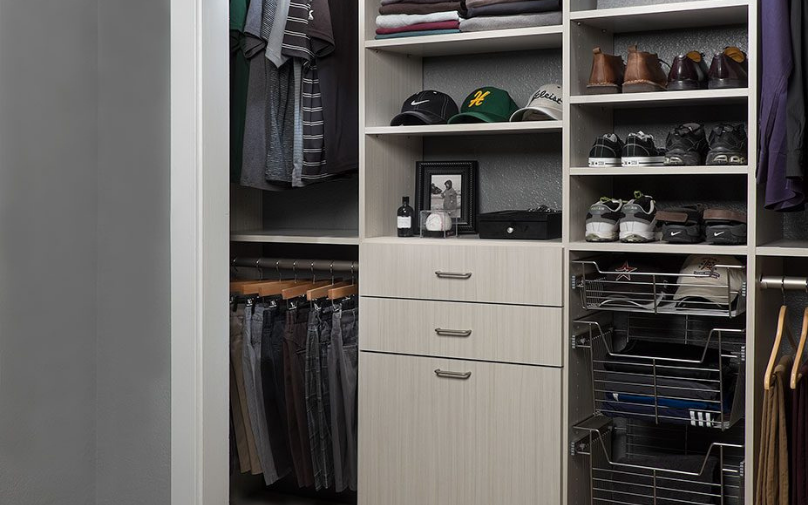
If you own many shirts, jackets, uniforms, or pants, prioritize hanging rods. If you own sweaters, jeans, and folded basics, add shelves or drawers. If you own many shoes, build shoe storage into the plan. If you have handbags, hats, belts, or jewelry, use accessories.
One of my favorite rules is simple: design around what you have the most of.
A closet full of hanging clothes should not be designed like a pantry. A closet full of folded items should not rely only on rods.
A good closet organizer system should make items easy to see, easy to reach, and easy to put back.
Visibility helps you use what you own. Access keeps the closet from feeling frustrating. Repeatable routines make the system last.
That is why I prefer practical layouts over overly complicated ones. If every item has a clear home, you do not need motivation every day. The system does some of the work for you.
Budget matters too. A basic wire system may be enough for a simple closet. A modular system may be better if you want flexibility. A wood or custom system may be worth it if you want a long-term upgrade.
Do not overspend just for looks, but do not underbuild if the closet is a major part of your daily routine.
The right system should feel like a smart investment, not just another storage product.
Different closets need different systems. A small reach-in closet has different needs from a walk-in closet. A shared closet needs separation. A shoe-heavy closet needs a different layout from a closet full of hanging clothes.
For a small reach-in closet, the goal is to use vertical space and avoid wasting the lower half of the closet.
A strong setup usually includes:
Small closets benefit from simplicity. Too many drawers or bulky pieces can make the space feel tight. The best approach is usually a clean layout with zones.
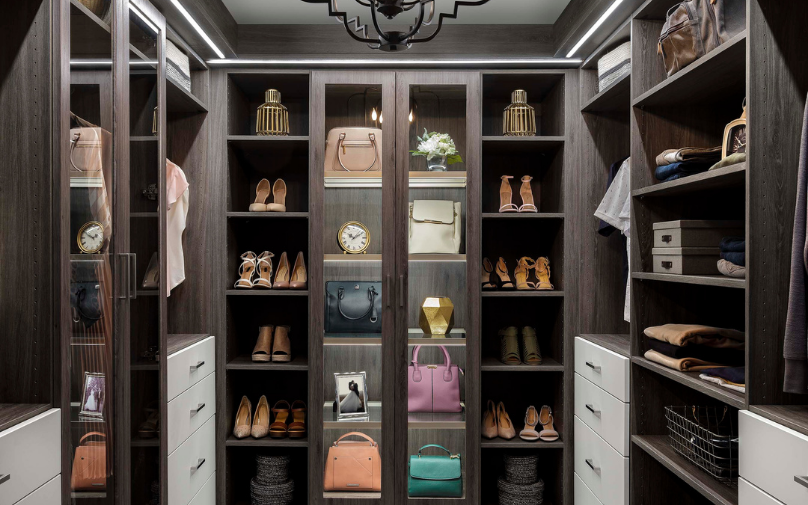
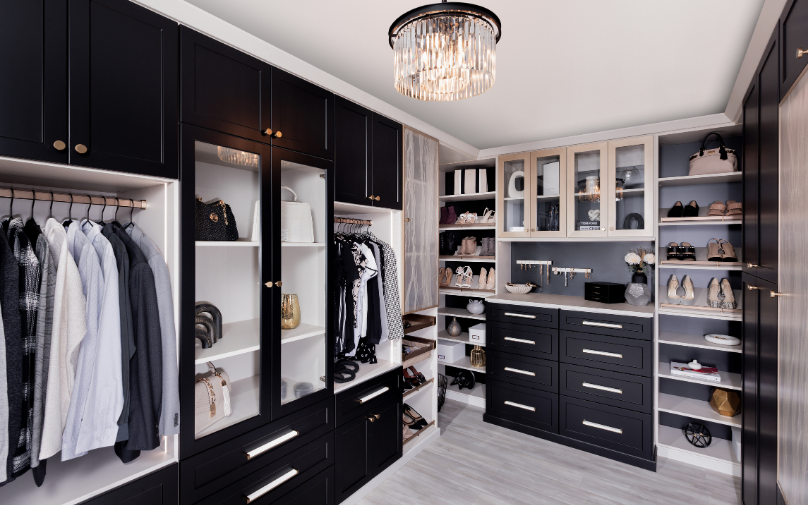
Walk-in closets offer more possibilities. You can use multiple walls, corners, drawers, shoe shelves, long-hang sections, and accessories.
A good walk-in closet system should include:
The key is balance. A walk-in closet can still become messy if it has no clear zones.
A shared closet should be divided clearly. Each person needs their own zone, even if one side is smaller.
The biggest mistake in shared closets is mixing everything together. Once categories blend, the closet becomes harder to maintain.
A good shared closet may include:
Clear separation prevents daily frustration.
If you have a lot of hanging clothes, do not fight that habit. Build around it.
Use double rods, long-hang sections where needed, and enough space between items so clothes are not crushed. Add a few shelves or drawers for smaller items, but make hanging the main feature.
This is the setup that would have helped me the most when I was younger. Since hanging was the habit I could actually maintain, the closet needed to support that instead of forcing me to fold everything.
If shoes and accessories are the problem, do not treat them as an afterthought.
Use angled shoe shelves, flat shoe shelves, cubbies, baskets, hooks, and drawer inserts. For seasonal items, use upper shelves or labeled bins.
A closet works better when small items have specific homes. Otherwise, they end up filling every open surface.
A closet organizer system can make a huge difference, but only if it is planned well. The wrong layout can create a closet that looks good at first and fails later.
Here are the mistakes I see most often.
Wire shelves can be useful, but they are not always enough. A few wire shelves may hold clothes, but they do not automatically create a functional system.
If you have a large wardrobe, many shoes, accessories, or different types of clothing, basic wire shelving may leave too many gaps. You may still need drawers, better rods, shoe storage, or zones.
When a closet has no clear zones, everything eventually becomes one pile.
Create zones for:
Zones make the closet easier to maintain because you do not have to decide where everything goes every time.
Drawers are great, but they are not magic. If you hate folding, do not design your entire closet around folded storage.
This is where honesty matters. A closet system should support your real habits. If hanging is easier for you, build in more hanging space. If drawers help you hide clutter in a controlled way, use them. But do not choose a layout just because it looks nice online.
Many closets waste vertical space. The area above the rod or below hanging clothes is often underused.
Double rods, upper shelves, tall towers, and stacked shoe storage can make a big difference. In small closets, vertical space is often the secret to making the system work.
Before buying a closet organizer system, sort your clothes. You do not need a perfect decluttering session, but you should understand what you actually own.
Count your shoes. Look at how many items need hanging. Notice how many folded pieces you have. Separate seasonal items. Check whether you need long-hang space.
Buying before sorting can lead to the wrong system.
The best closet organizer system is not always the most expensive one. It is not always the one with the most drawers, the nicest finish, or the most accessories.
The best system is the one you will actually use.
That means it should match your closet size, your clothing, your habits, your budget, and your daily routine. For some people, that means a simple reach-in closet with double rods and shoe shelves. For others, it means a full custom closet with drawers, towers, hampers, and accessories. For someone like me, hanging space can be the difference between a closet that stays organized and one that falls apart after one day.
A good closet organizer system should make your life easier. It should help you see your clothes, protect them from wrinkles, reduce clutter, and make cleanup feel simple.
Most people do not need a bigger closet first. They need a better layout.